Acoustics by Space · Restaurants & Hospitality
Noisy restaurant: should you choose acoustic wall panels or a ceiling solution?
Published on 7 March 2026By Jonathan Rousseau3 min read

The acoustic challenge in modern restaurants
Restaurant acoustics are a major issue for today's food service venues. Hard surfaces, open spaces and lively conversations often create an uncomfortable sound environment that harms the customer experience. A noisy restaurant can quickly see its reputation tarnished and its customers leave for quieter venues.
Restaurants face many acoustic problems: excessive reverberation, high background noise, difficulty holding a conversation at the table, staff stress and listening fatigue. These issues directly affect customer satisfaction and can significantly reduce the time spent at the table, which in turn affects turnover.
Wall-mounted acoustic solutions: effectiveness and aesthetics
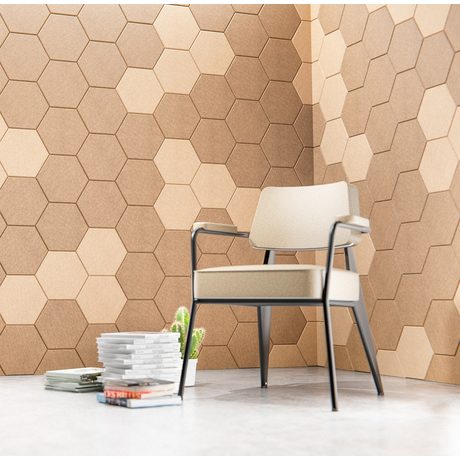
Acoustic wall panels are a solution of choice for improving restaurant acoustics. These decorative elements absorb sound waves right at their source, considerably reducing reverberation.
Advantages of acoustic wall panels
- Quick, simple installation with no major building work
- Complete aesthetic customisation (colours, patterns, textures)
- Targeted treatment of problem areas
- Moderate investment cost
- Easier maintenance
Wall panels allow precise acoustic treatment tailored to the specific needs of each space. Placing them strategically at sound reflection points optimises their effectiveness while preserving the look of the venue.
Drawbacks to consider
- Treatment area limited by the available wall space
- Less effective in very large spaces
- Need to combine with other solutions in some cases
Acoustic ceiling solutions: maximum performance
Treating the ceiling offers a particularly effective, all-round approach to restaurant acoustics. The ceiling is often the largest surface available for installing sound-absorbing elements.
Types of ceiling solutions
Acoustic ceiling solutions come in several options: integrated acoustic ceiling tiles, hanging acoustic panels, acoustic baffles or acoustic lights that combine lighting and sound absorption.
For a detailed overview, our acoustic ceiling tiles for suspended ceilings blend discreetly into existing structures and are perfectly suited to dining rooms fitted with a standard suspended ceiling.
Advantages of ceiling solutions
- Maximum treatment area
- Superior acoustic performance
- Floor and wall space preserved
- Seamless integration into the architecture
- Option to combine acoustics and lighting
An acoustic ceiling effectively treats the main sound reflections, creating a more comfortable environment for conversation. This approach is particularly well suited to restaurants with high ceilings or large open spaces.
Technical constraints
- More complex installation, sometimes requiring professionals
- Generally higher investment cost
- Adjustments needed depending on ceiling height
- Trickier maintenance at height
Performance comparison: walls vs ceiling
Acoustic effectiveness
For restaurant acoustics, ceiling solutions generally offer better overall performance thanks to their larger treatment area. However, wall panels can be more effective for dealing with localised problems.
Value for money
Wall panels offer better initial value for money, while ceiling solutions deliver a better long-term return on investment thanks to their greater effectiveness.
Layout flexibility
Wall-mounted solutions allow greater flexibility when changing the layout, whereas ceiling installations require more rigorous planning.
Choosing the right solution for your restaurant
Decision criteria
The choice between wall and ceiling solutions depends on several factors: the volume of the space, ceiling height, available budget, aesthetic constraints and the current level of noise nuisance.
Needs analysis
A preliminary acoustic study identifies the noise sources and problematic reflection zones. This analysis guides the choice of the best solution for your restaurant acoustics.
Combined solutions
In many cases, combining wall panels with ceiling treatments gives the best results. This all-round approach tackles every acoustic issue for optimal comfort.
Installation and practical advice
Installing acoustic solutions requires careful planning. Wall panels offer more flexibility during installation, while ceiling solutions often require qualified professionals.
To optimise effectiveness, follow the spacing and positioning recommendations. Expert advice helps you avoid costly mistakes and maximise acoustic performance.
Well-controlled restaurant acoustics transform the customer experience and improve working conditions for staff. Investing in suitable acoustic solutions, whether for the walls or the ceiling, is a strategic choice for the long-term success of your venue.